Expert Talks on Lighting
& Human Health
46 expert talks from TED, Yale Medicine, Mayo Clinic, PBS, and leading health organizations — curated by the team behind NaturaLux™ light filters.
Maintained by Make Great Light — makers of NaturaLux™ light filters — as a free public resource for educators, healthcare professionals, and employers. Every video comes from a credentialed scientist, clinician, medical institution, or recognized non-profit.
For peer-reviewed research on these same topics, visit our Research Library.
Circadian Health & Light
Our circadian rhythm, the body's internal 24-hour clock, is governed primarily by light. The amount, timing, and spectrum of indoor and outdoor light we receive each day shapes our sleep, mood, metabolism, hormone production, and long-term disease risk.

How optimizing circadian rhythms can increase healthy years
How Your Circadian Rhythm Tunes Your Health
Sleep Is Your Superpower
Light and Circadian Rhythms
Pay Attention to Your Body's Master Clock

How Does Your Body Know What Time It Is?

Can You Change Your Sleep Schedule?
A Walk Through the Stages of Sleep

What Is Melatonin, and Should You Take It to Fall Asleep?
Migraine & Photophobia
Light sensitivity (photophobia) is one of the defining and most disabling symptoms of migraine, affecting roughly 90% of patients. The videos below feature leading headache neurologists, ophthalmologists, and migraine non-profits explaining why the brain responds to light during a migraine and what evidence-based options exist for relief.

Migraine: A Neurological Condition That's Not Just in Your Head
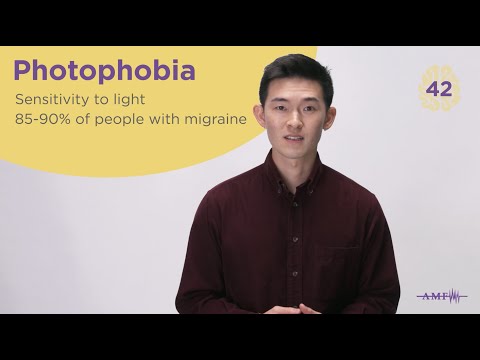
Migraine Minute: What Is Photophobia?
Why Light Hurts During a Migraine
Light and Migraine
Photophobia or Light Sensitivity in Migraine
Light Sensitivity and Migraine

Migraine Aura or Stroke? How to Tell the Difference
Through the Eyes of Migraine: Ocular Considerations
See how NaturaLux™ addresses this:
How NaturaLux™ filters address light-triggered migraines and photophobia →Autism & Sensory Issues
Many autistic individuals experience heightened sensory sensitivity to light, particularly fluorescent fixtures and harsh overhead lighting. Adapting indoor lighting through dimmers, warmer color temperatures, and sensory-aware design can significantly improve focus, regulation, and well-being.

The Sensory Room: Helping Students With Autism Focus and Learn
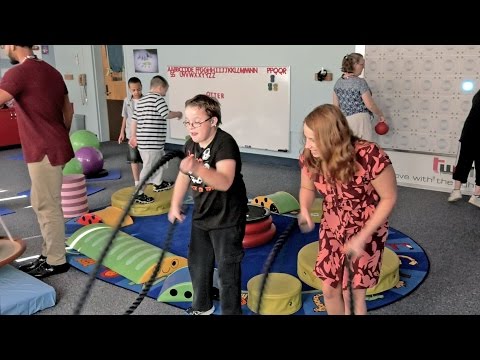
A Safe Space Helps Students With Autism Focus and Learn
Autism in the Classroom: Sensory Environment

Sensory-Sensitive Light Show for Children on the Autism Spectrum
New Sensory Classroom Helps Autistic Students Learn
See how NaturaLux™ addresses this:
Sensory-friendly lighting for autism and sensory processing differences →Lupus & Photosensitivity
Up to 70% of people with lupus experience photosensitivity, a heightened reaction to ultraviolet (UV) radiation from sunlight and certain indoor lighting sources including some fluorescent and halogen fixtures. UV exposure can trigger flares, rashes, and systemic disease activity.
Vacationing Smart with Lupus
Let's Talk Lupus: Lupus and Sun Exposure

How Can Lupus Patients Get Tested for Photosensitivity?
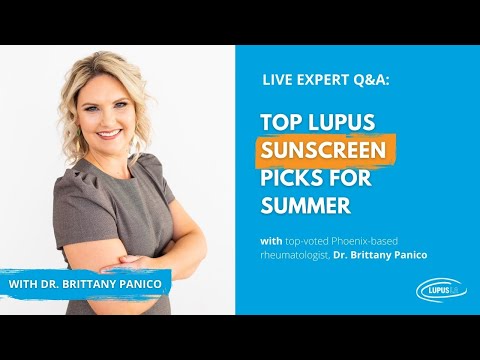
Dr. Panico's Top Lupus Sunscreen Picks for Summer
Staying Safe in the Sun with Lupus
See how NaturaLux™ addresses this:
UV-blocking light filters for lupus and photosensitive conditions →Seasonal Affective Disorder (SAD)
Seasonal Affective Disorder is a clinically recognized form of depression triggered by reduced daylight in fall and winter months. Bright light therapy, exposure to a specially designed light box for a set time each morning, is considered a first-line treatment by major medical organizations.
Winter Got You Feeling Down?

7 Things to Know About Treating Seasonal Affective Disorder

The Exam Room: Seasonal Affective Disorder & the Lightbox Fix
SAD and Light Therapy: Part 1
SAD and Light Therapy: Part 2

How to Use Light Therapy
See how NaturaLux™ addresses this:
Indoor lighting options for seasonal affective disorder →Classroom Lighting: Expert Perspectives
Classroom lighting has a measurable impact on student attention, mood, behavior, and academic performance. Daylight, tunable LED systems, and reductions in harsh fluorescent glare have all been shown to improve learning environments. The teachers and educators below share firsthand accounts of how lighting changes transformed their classrooms.

The Effects of Lighting on Learning
Fix Harsh Lighting With This Simple Classroom Solution
Classroom Lighting Ideas for Early Childhood
Create a Calm & Sensory Classroom
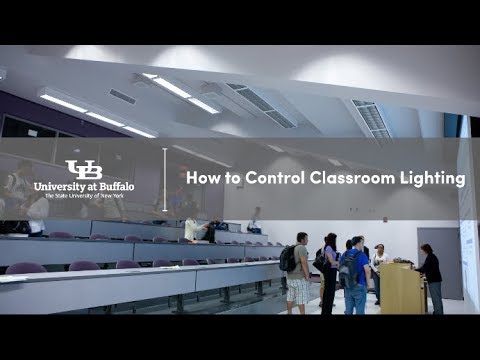
How to Control Classroom Lighting
See how NaturaLux™ addresses this:
Classroom lighting solutions for K-12 schools and districts →Workplace Ergonomics: Lighting Expert Guidance
Lighting in offices and other workplaces directly affects vision, posture, alertness, and productivity. OSHA, occupational health agencies, and ergonomics specialists agree that controlling glare, reducing fluorescent flicker, and providing adjustable task lighting can meaningfully improve worker comfort and performance.
Office Ergonomics: Lighting
9 Tips for a Healthy Ergonomic Workstation

Office Ergonomics: Simple Solutions for Comfort and Safety

Visual Ergonomics in the Workplace
Home Working and Office Health & Safety: Lighting Conditions
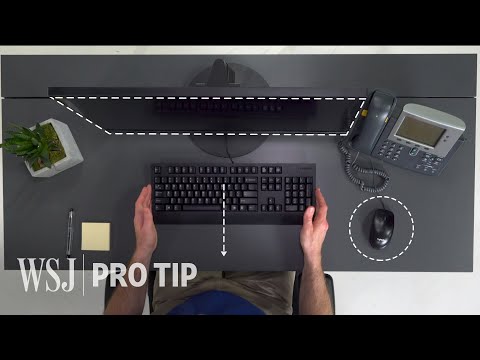
Ergonomics Expert Explains How to Set Up Your Desk
See how NaturaLux™ addresses this:
Office and workplace lighting solutions from NaturaLux →Managing lighting for a team or facility?
Bulk pricing available for offices, schools, and healthcare facilities.
Blue Light, Eye Health & Screens
Blue-wavelength light has the strongest effect on circadian rhythm and the most discussed connection to digital eye strain. The videos below feature ophthalmologists and university medical centers separating fact from marketing on blue light, screens, and eye health.
Blue Light: How It Affects Your Eyes, Sleep and Health

How Does Blue Light & Other Light Affect Your Sleep?
See how NaturaLux™ addresses this:
Reduce glare and light sensitivity with NaturaLux™ filters →Lighting & Health — Frequently Asked Questions
Can fluorescent or LED lights trigger migraines?
Yes. Research published in the National Library of Medicine shows that overhead fluorescent lighting is one of the most commonly reported migraine triggers. The flicker, glare, and blue-wavelength output of fluorescent and LED fixtures can activate pain pathways in people with migraine. Videos in this section feature Harvard, Yale, and American Migraine Foundation experts explaining this connection in detail.
How does indoor lighting affect circadian rhythm and sleep?
Light wavelength and timing signal the brain's suprachiasmatic nucleus, which governs the body's 24-hour biological clock. Bright, blue-shifted overhead light in the evening suppresses melatonin and delays sleep onset. Salk Institute and Stanford researchers featured in this library document how aligning light exposure with natural rhythms can improve sleep quality, mood, and metabolic health.
What lighting changes help autistic children or adults?
Many autistic individuals are hypersensitive to the flicker, glare, and intensity of overhead fluorescent lighting. Sensory-friendly classrooms documented by Edutopia and Autism Live reduce overhead brightness, use warmer color temperatures, and avoid harsh direct light. NaturaLux™ filters provide a cost-effective way to soften existing fluorescent or LED fixtures without a full replacement.
Can indoor lighting sources trigger lupus flares?
Yes. Up to 70% of people with lupus experience photosensitivity. Certain fluorescent and halogen lamps emit ultraviolet (UV) radiation that can trigger skin rashes and systemic disease activity. NaturaLux™ filters block 100% of UVB and up to 98% of UVA radiation from overhead fixtures, providing a layer of indoor UV protection for photosensitive individuals.
What is the difference between a NaturaLux light filter and a SAD light therapy lamp?
A SAD light therapy lamp is a specialized bright-light device designed to deliver 10,000 lux for a timed morning session, compensating for reduced winter daylight. A NaturaLux™ light filter is an overlay for existing overhead fixtures that softens glare, reduces UV output, and smooths the light spectrum throughout the day. They serve different purposes and can complement each other.
About This Video Library
Make Great Light curates this library as part of our mission to make indoor light healthier for everyone. NaturaLux™ filters were developed by Kevin A. Kirschner, a certified ophthalmic specialist with over 50 years in vision care and three U.S. patents in light filtration technology. While these videos do not feature NaturaLux products, they represent the body of science that informs why we exist.
Every video comes from TED / TEDx / TED-Ed, university medical schools (Yale, UC Davis, UBC, University of Utah), major medical institutions (Mayo Clinic, Cleveland Clinic, UW Medicine), public broadcasters (PBS NewsHour, NJ Spotlight News), recognized non-profit health organizations (American Migraine Foundation, National Headache Foundation, Lupus LA, Lupus Canada), educational organizations (Edutopia, We Are Teachers, Autism Live), or workers' compensation and occupational-safety organizations.
This library does not include paid placements, sponsored content, or videos that primarily exist to sell lighting products. Last updated April 2026.
Ready to Apply the Science?
Most quotes returned within 2 hours. Bulk pricing for offices, schools, and healthcare facilities.