What Is Full Spectrum Light?
Full spectrum light replicates the balanced color quality of natural daylight, bringing the visual comfort of outdoor light into indoor spaces.
Full spectrum light is lighting that replicates the visual qualities of natural daylight. In practice, it is defined by a high color temperature, strong color rendering, and balanced white chromaticity. Compared with standard fluorescent or LED lighting, full spectrum light makes colors look more natural and spaces feel more visually comfortable. NaturaLux filters by Make Great Light convert standard fluorescent and LED fixtures to full-spectrum output.
The Science
How Full Spectrum Light Is Measured
Key Takeaways
- Color temperature, measured in Kelvin (K), describes how warm or cool white light appears. Midday sunlight sits around 5000-5500K.
- Color Rendering Index (CRI) scores how accurately a light source reveals true colors. Sunlight scores a perfect 100; standard fluorescents score 80-85.
- Full spectrum light requires all three: color temperature above 5000K, CRI above 90, and chromaticity in the central white region of the Black Body Locus.
- A balanced visible light spectrum is what separates true full-spectrum light from bulbs that simply look "white."
Color Temperature Explained in Kelvin
Color temperature is the standard measure of how warm or cool white light appears, expressed in Kelvin (K). At 2000K, light has the warm amber tones of a sunrise. Most commercial offices and schools use fixtures rated between 3500K and 4100K, which produce a noticeable yellow-green cast. At 5000K to 5500K, light closely resembles midday daylight: bright, neutral, and visually clear.
The noon-day sun serves as the benchmark for color accuracy because it produces the broadest, most balanced white light available. When lighting professionals evaluate indoor fixtures, they compare the output against this standard. The closer a source gets to the qualities of noon-day sunlight, the more accurately it renders color.
Color temperature scale from warm (2000K) to daylight (5500K)
What CRI Means
The Color Rendering Index (CRI) is a score from 0 to 100 that measures how accurately a light source reveals the true colors of objects compared with natural light. Sunlight earns a perfect CRI of 100. Standard fluorescent tubes typically score between 80 and 85, which is why skin, walls, and fabrics can look slightly off under office lighting.
High CRI matters most in spaces where people need visual clarity: exam rooms where clinicians assess skin color, retail environments where products need to look their best, and classrooms where visual fatigue accumulates over the day. A CRI above 90 is considered excellent and is one of the defining criteria of full spectrum light.
100
Sunlight CRI
Perfect color accuracy
80-85
Standard Fluorescent CRI
Colors look off
Why the Full Color Spectrum Matters
Visible light contains a range of wavelengths that the eye perceives as different colors across the spectrum. Natural daylight is valued because it delivers a broad, balanced mix of those wavelengths. Some artificial lights may appear white but still emphasize certain parts of the spectrum more than others, which can make skin tones, walls, fabrics, and materials look yellow-green, orange, or washed out.
Full spectrum light aims to create a more balanced, daylight-like spectral output across the visible range. That balanced spectrum is what separates genuinely full-spectrum lighting from bulbs that simply carry a high color temperature but still produce uneven wavelength distribution.
The 3 Criteria That Define Full Spectrum Light
A light source qualifies as full spectrum when it meets all three of the following criteria:
- Color temperature greater than 5000K
- Color Rendering Index (CRI) greater than 90
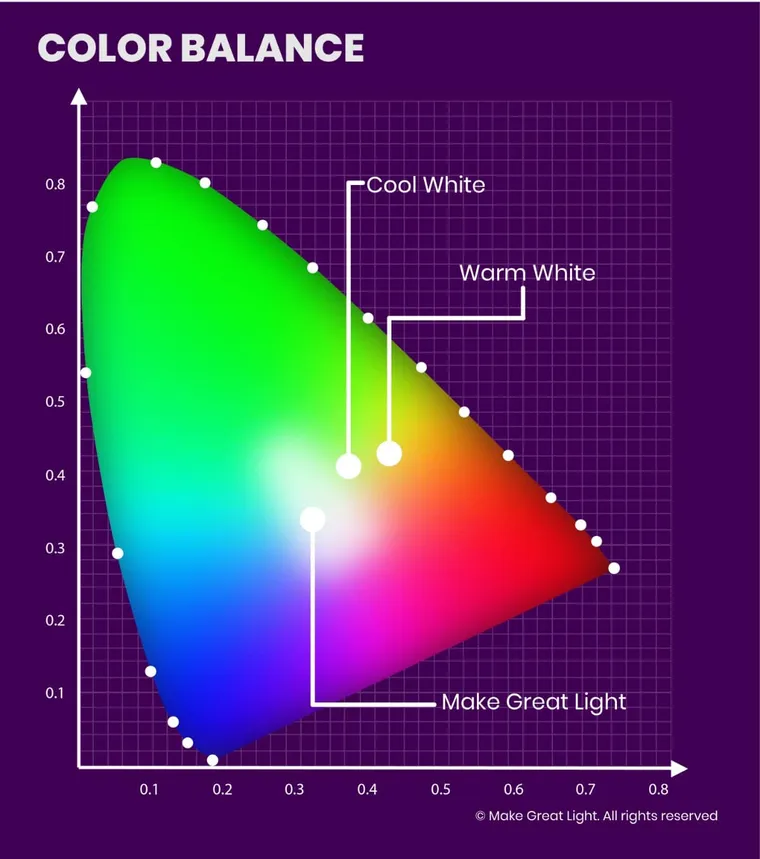
- Chromaticity values in the central white portion of the Black Body Locus
Source: Kevin Kirschner, certified ophthalmic specialist, inventor of NaturaLux technology, holder of 3 US patents
In plain terms, the first criterion means the light needs to look and feel like daylight, not the warm amber of a lamp or the yellow-green of a standard office fixture. The second criterion means colors under that light should appear accurate and natural, close to how they look outdoors. The third criterion is about balance: the overall color of the white light itself should sit in the neutral center of the scientific color map, not shifted toward green, pink, or yellow.
All three must be present. A bulb rated at 5000K with a CRI of only 80 is not full spectrum. A high-CRI source with a yellow-shifted chromaticity is not full spectrum either. The combination is what produces light that genuinely resembles daylight.
Why the Black Body Locus Matters
The Black Body Locus is a curve on a scientific color map (called the CIE chromaticity diagram) that shows how the color of ideal white light changes with temperature. Think of it as a path through different shades of white: from warm candlelight to cool daylight and beyond.
What matters for full spectrum light is where the source sits relative to the center of that path. Light in the central white region looks balanced and neutral. Light that falls off-center can appear greenish, pinkish, or yellowish, even if its color temperature is technically in the right range. That is why chromaticity is the third criterion: it catches the sources that hit the numbers on paper but still produce visually unbalanced light.
Dr. John Ott and Early Full Spectrum Light Research
Dr. John Ott was one of the earliest researchers to investigate how the spectral quality of light affects living organisms. His work, beginning in the 1960s, helped establish public and scientific interest in the idea that indoor lighting quality matters for health and well-being. While modern research has expanded well beyond his initial observations, Ott's contributions helped lay the groundwork for the full-spectrum lighting industry that exists today.
For a deeper look at his work and its influence on modern lighting science, read our article on Dr. John Ott, pioneer of full spectrum light.
The Benefits
Why Full Spectrum Lighting Matters
Visual Comfort
Full spectrum light reduces the harsh glare and spectral imbalance that cause eye strain and headaches under standard fluorescent and LED fixtures. Balanced, daylight-like light lets your eyes relax instead of constantly compensating for uneven output.
Color Accuracy
Under standard fixtures, objects, skin, and clothing take on a yellow-green cast that distorts how everything looks. Full spectrum light restores natural color rendering, which matters especially in clinical, diagnostic, and retail environments where accurate color is critical.
Circadian Rhythm and Mood
Indoor light quality affects how alert and rested people feel throughout the day. Full spectrum lighting supports natural sleep/wake cycles and seasonal wellness by providing the kind of balanced, bright light that helps regulate your body's internal clock, especially during the darker months.
Productivity and Focus
A Lawrence Berkeley National Lab feasibility study (2002, published by the DOE in 2004) found that spectrally enhanced lighting with 5000K lamps achieved 17-30% energy savings compared with 3500K lamps, with comparable occupant acceptance. Visual acuity improves with higher color temperature lighting, which translates to better focus in offices and classrooms.
For more on lighting and learning outcomes, see our natural light in classrooms research.
Looking for full spectrum light bulbs?
NaturaLux filters upgrade your existing fixtures to full-spectrum quality, without replacing every bulb or rewiring the room.
See how it worksTrusted by Harvard, VA hospitals, and Bank of America. 30,000+ filters installed.
See the Difference
What Full Spectrum Light Looks Like in Real Spaces
The difference between standard fixtures and full-spectrum light is immediately visible. These comparisons show how color rendering changes across real environments.
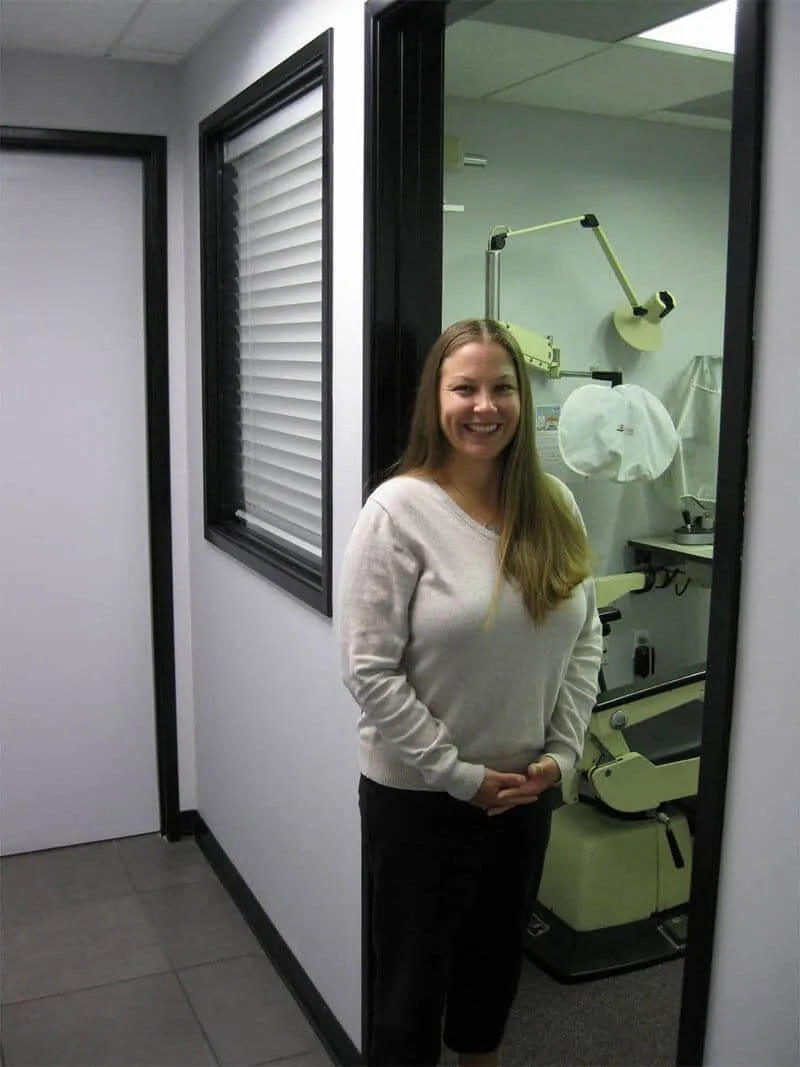
Hallway: Half Filtered, Half Not
Same hallway, same fixtures, same wall color. The unfiltered side has a noticeable yellow-green cast from standard fluorescent tubes. The NaturaLux-filtered side renders the wall color accurately, closer to how it looks under natural daylight.
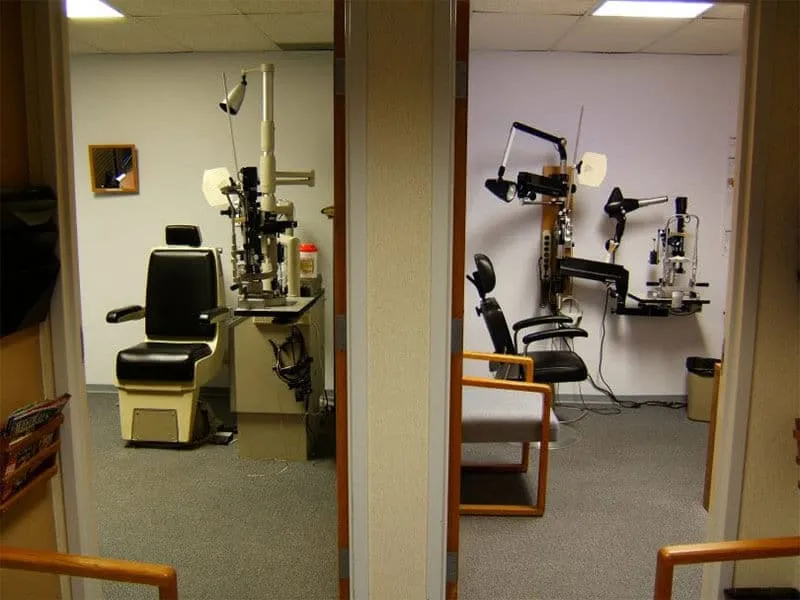
Exam Rooms: Side by Side
In clinical environments, color accuracy matters for diagnosis. The standard-lit room shifts skin tones and surface colors toward yellow-green. The NaturaLux-filtered room shows balanced, natural color rendering across the entire space.

Retail: True Color Under Store Lighting
Warm white fixtures (3500K) shift clothing and fabrics toward orange-red tones. Cool white (4100K) pushes them yellow-green. NaturaLux-corrected light at ~5425K renders fabric colors the way they actually look, which matters for customer confidence and returns.
How It Compares
Full Spectrum Light Bulbs and Alternatives Compared
Many people searching for natural light bulbs assume that replacing every fixture is the only path to full-spectrum quality. Here is how the most common options actually stack up across the factors that matter.
| Dimension | Standard Fluorescent/LED | Full Spectrum Bulbs | SAD Lamps | NaturaLux Filters |
|---|---|---|---|---|
| Color temperature | 3500-4100K (yellow-green cast) | 5000K+ | 10,000K (therapeutic) | ~5425K (corrected) |
| CRI | 80-85 | 90+ | Varies | 95.3 |
| Covers entire room | Yes (but poor quality) | Yes | No (single person, desk only) | Yes |
| UV blocking | None | None | None | 100% UVB, up to 98% UVA |
| Glare reduction | None | None | N/A | 90% |
| Installation | Already installed | Requires replacing every fixture | Plug in | Drops into existing fixture, no tools |
| Fire rated | Varies | Varies | N/A | Class A |
| Lifespan | 1-3 years (bulb replacement) | 1-3 years | 3-5 years | 10+ years |
| Replacement frequency | Every 1-3 years per bulb | Every 1-3 years per bulb | Every 3-5 years | Once per decade+ |
| First-year cost per room | $0 (plus ongoing complaints) | $200-500+ (bulbs + labor) | $50-150 (per person, per lamp) | From $37.99/panel |
NaturaLux is the only option in this comparison that improves room-wide color accuracy while also reducing glare and blocking UV, without replacing fixtures.
Full spectrum bulbs improve color rendering but require replacing every lamp. SAD lamps help one person at a desk. Filters upgrade what you already have.
How Full Spectrum Light Filters Work
NaturaLux filters are optical overlays that drop into your existing ceiling fixtures. They shift the spectral output of standard fluorescent and LED lighting closer to natural daylight, improving color accuracy, reducing glare, and blocking UV radiation in a single step.
88 → 95.3
CRI Improvement
Colors look accurate and natural instead of washed out
~5000K → ~5425K
Color Temperature Shift
Corrects the yellow-green cast to natural daylight
90%
Glare Reduction
Harsh overhead glare replaced with softer, even light distribution
100% UVB / 98% UVA
UV Blocked
100% of UVB and up to 98% of UVA radiation blocked at the fixture
80%
Light Transmission
Rooms stay bright. Filters improve quality without dimming the space
10+ Years
Filter Lifespan
Install once. No bulb replacements, no recurring maintenance

LED Light Filters
For LED panel fixtures. Reduces glare and corrects color output to full-spectrum quality.
From $37.99/panel
Shop Now Fluorescent Light Covers
For standard 2x2 and 2x4 fluorescent troffers. Drops in with no tools or electrician.
From $37.99/panel
Shop Now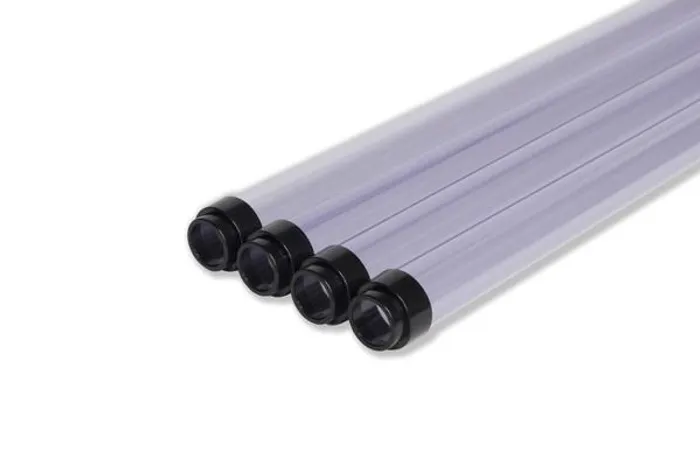
Tube Covers
Slide-on sleeves for exposed T5, T8, and T12 fluorescent tubes. Includes end caps.
$18.99/tube
Shop Now
Upgrade Your Fixtures to
Full-Spectrum Light
Whether you need a solution for one room or a full facility, NaturaLux filters bring daylight-quality light to existing fixtures. Filters ship ready to install.
Related Reading on Full Spectrum Lighting
Natural Light in Classrooms
Research on how natural light quality affects student focus and learning outcomes.
Read moreFluorescent Light Covers
How fluorescent light covers work and which environments benefit most.
Read moreOffice Lighting Solutions
How full spectrum filters improve workplace comfort, focus, and employee wellness.
Read moreLight Sensitivity
Understanding photosensitivity and how full spectrum filtering reduces discomfort.
Read more